
Labeling applicators play a vital role in the seamless application of labels onto diverse products and packaging materials. With their assistance, accurate and efficient labeling processes are ensured, meeting the highest standards of quality. Let’s explore the different types of labeling applicators available and the significance they hold in various industries.
Manual Labeling Applicators: Precision in Your Hands
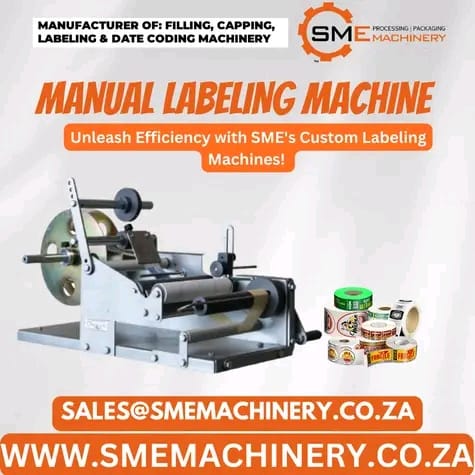
Manual labeling applicators are tools designed to affix labels onto products or packaging materials. Operated manually, they offer a hands-on approach to labeling. These applicators are suitable for smaller-scale operations and scenarios where personalized labeling is required. From small businesses to craft industries, manual labeling applicators provide the necessary flexibility and control.
Semi-Automatic Labeling Applicators: Striking the Balance
Semi-automatic labeling applicators strike a balance between manual and fully automatic systems. They are equipped with features that streamline the labeling process while still requiring some level of manual interaction. With semi-automatic applicators, labels can be applied consistently and swiftly, saving valuable time and effort. These applicators are preferred in industries with moderate labeling demands.
Fully Automatic Labeling Applicators: Speed and Efficiency Combined
Fully automatic labeling applicators are designed for high-volume production environments where efficiency is paramount. These advanced devices automate the labeling process, reducing human intervention and maximizing productivity. They can handle a wide range of label types, including adhesive labels, self-adhesive labels, and wrap-around labels. Fully automatic applicators are the preferred choice for industries with large-scale production requirements.
The Importance of Expiry Date Coding
Expiry date coding refers to the essential process of printing or coding expiration dates on product labels or packaging materials. It is especially crucial for products with limited shelf life or specific expiration dates, such as food items, pharmaceuticals, and cosmetics. By including expiry date codes, manufacturers ensure consumer safety and enable effective inventory management.
Inkjet Printing: Versatile and Customizable
Inkjet printing is a widely used method for expiry date coding. It utilizes inkjet technology to directly print the expiration date on labels or packaging materials. The versatility of inkjet printing allows for flexibility in font size and format, catering to diverse labeling requirements. This method is compatible with a wide range of materials, making it highly adaptable.
Thermal Transfer Overprinting (TTO): Precision at Its Finest
Thermal Transfer Overprinting (TTO) is a popular choice for high-resolution printing of expiration dates. It employs a heated printhead to transfer ink onto labels or packaging materials. TTO technology ensures crisp and clear coding, particularly on flexible packaging materials. It is well-suited for industries that demand precise and legible expiry date codes.
Laser Marking: Durability and Permanence
Laser marking is a cutting-edge method for etching or marking expiry dates on labels or packaging materials. By utilizing laser technology, this coding method delivers permanent and high-quality results. It is suitable for a wide range of materials and offers excellent resistance against wear and tear. Laser marking is favored in industries that prioritize durable and long-lasting expiration date codes.
Hot Foil Stamping: Aesthetic Appeal and Endurance
Hot foil stamping adds an element of visual appeal to expiration date codes. This method employs a heated die to transfer foil onto labels or packaging materials, creating an eye-catching and durable coding solution. Hot foil stamping is commonly used in industries where aesthetics play a significant role, such as luxury goods and high-end packaging.
Selecting the Right Labeling Applicator and Expiry Date Coding Method
When choosing a labeling applicator and expiry date coding method, several factors come into play. These include the type of product, production volume, label size and shape, and specific industry requirements. It is crucial to select a reliable and efficient system that ensures accurate labeling and coding, as well as compliance with regulatory standards. By investing in the appropriate labeling applicator and expiry date coding technology, businesses can enhance their operations, streamline processes, and deliver products of the highest quality.
In conclusion, labeling applicators and expiry date coding methods are indispensable in today’s competitive marketplace. They contribute to accurate labeling, efficient production, and regulatory compliance. By understanding the various types of labeling applicators and coding technologies available, businesses can make informed decisions to optimize their processes and achieve excellence in product labeling.